Leadership and Administration in SINAI Service
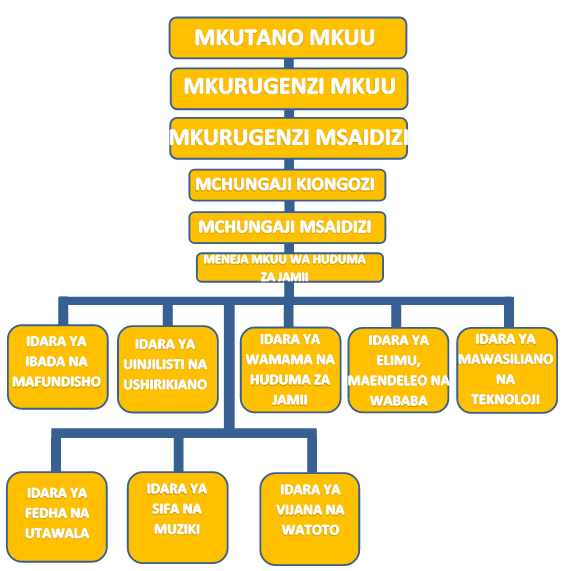
Sinai Ministry – Leadership Structure
1. ANNUAL GENERAL MEETING:
The Annual General Meeting is a crucial platform that brings together members of the ministry to provide guidance and make important decisions for the development and smooth operation of the service. Key responsibilities of the AGM may include:
I. Reporting:
▪ Providing financial, planning, and implementation reports for the past period.
▪ Reporting on the progress of projects or any activities related to the service.
II. Approving Budgets and Plans:
▪ Discussing and approving the service’s budget for the upcoming period.
▪ Approving strategic plans and goals of the service for the future.
III. Electing or Confirming Leaders:
▪ Conducting elections for leaders to oversee the service for the next period.
▪ Confirming or removing existing leaders according to established procedures.
IV. Determining the Direction of the Service:
▪ Providing guidance on the religious, spiritual, and social direction of the service.
▪ Making critical decisions regarding the mission and goals of the service.
V. Approving Significant Changes:
▪ Approving major changes or amendments to the constitution or structure of the service.
▪ Providing approval for important strategic decisions.
VI. Receiving Feedback and Suggestions:
▪ Receiving feedback and suggestions from members and stakeholders.
▪ Discussing and taking action on the provided input.
VII. Resolving Conflicts and Challenges:
▪ Discussing and resolving conflicts or challenges that may exist within the service.
▪ Providing guidance and direction on how to address potential issues.
VIII. Approving Committee and Secretariat Reports:
▪ Reviewing and approving reports from various committees and the service’s secretariat.
▪ Providing comments or suggestions on the implementation of committee activities. The
AGM forms the basis for democracy within the service, offering an opportunity for
members to participate in decision-making and the overall development of the service.
2. EXECUTIVE DIRECTOR
o Role: To oversee all activities of the service, lead the leadership team, and provide overall
direction.
o Responsibilities:
▪ Conducting leadership meetings and making key decisions.
▪ Communicating with donors and key stakeholders.
▪ Providing spiritual and strategic guidance for the service.
3. DEPUTY DIRECTOR:
Role: To support the Executive Director and oversee the day-to-day activities of the service.
o Responsibilities:
▪ Providing advice to the Executive Director.
▪ Managing the implementation plans of the service.
▪ Acting as a representative of the Executive Director in their absence.
4. LEAD PASTOR:
Role: To lead believers spiritually and oversee worship and teaching activities.
o Responsibilities:
▪ Leading worship services and teachings.
▪ Providing spiritual guidance to believers.
▪ Developing evangelism plans and Bible training.
5. ASSOCIATE PASTOR:
o Role: To support the Lead Pastor in their duties.
o Responsibilities:
▪ Teaching and overseeing spiritual groups.
▪ Assisting in worship activities.
▪ Providing support to believers for their spiritual needs.
6. COMMUNITY SERVICES MANAGER:
o Role: To oversee community service activities and projects to assist the community.
o Responsibilities:
▪ Organizing plans for aid and social services.
▪ Managing community relations and partnerships.
Important Notes:
• Ensure each leadership member has clear responsibilities and a good understanding of the service’s goals.
• Continue to hold regular leadership meetings to discuss progress and challenges.
• Establish systems to monitor and evaluate the performance of the service. Religious leadership should be
grounded in spiritual direction and Christian ethics. Additionally, being open to feedback and
collaboration is essential for the success of the service.